
Introduction to Homemade Cleaning Solutions
Homemade cleaning solutions are becoming more popular all around the world. People are now choosing natural cleaning methods instead of chemical-packed cleaners sold in stores. With rising awareness about health, the environment, and cost savings, homemade cleaning solutions offer a simple and effective way to keep homes clean without harsh side effects.
This article explains everything you need to know about homemade cleaning solutions, including how they work, what ingredients to use, how to mix them safely, and the benefits they offer. If you’ve ever thought, “Can I clean my home with natural products?” the answer is a big “Yes!”
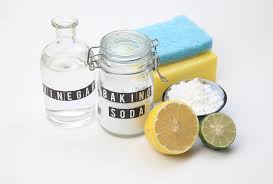
Many everyday household items like baking soda, lemon, vinegar, salt, alcohol, and essential oils can be turned into powerful cleaners. These homemade cleaning solutions save money, protect health, and reduce pollution. They’re easy to prepare, kid-friendly, pet-friendly, and surprisingly effective on dirt and germs.
Why Homemade Cleaning Solutions Are Becoming Popular
There are several strong reasons why homemade cleaning solutions are gaining attention. People are finally realizing that cleanliness doesn’t require fancy store-bought chemicals. Instead, nature provides everything needed to keep homes sparkling.
Benefits of Homemade Cleaning Solutions
Some major benefits include:
- Safe for children and pets
- No strong chemical smells
- Better for the environment
- Much cheaper than commercial brands
- Reduces allergic reactions
- Easy to make at home
- Ingredients already available in most kitchens
So, instead of filling your shelves with toxic cleaners, why not make your own? It’s simple, affordable, and surprisingly satisfying
Common Ingredients Used in Homemade Cleaning Solutions
Just look around your kitchen, and you’ll notice plenty of ingredients that can be used for cleaning. These items are natural, inexpensive, and offer multiple cleaning benefits.
Table of Common Cleaning Ingredients
| Ingredient | Primary Use | Best For |
| Baking Soda | Deodorizer & mild scrub | Sinks, ovens, stains |
| White Vinegar | Natural disinfectant | Glass, countertops, floors |
| Lemon Juice | Anti-bacterial & fresh scent | Cutting boards, bathrooms |
| Salt | Abrasive cleaner | Rust, pans, utensils |
| Hydrogen Peroxide | Germ killer | Bathrooms, tiles |
| Essential Oils | Fragrance & antibacterial | Floors, laundry, air freshener |
| Castile Soap | Natural liquid soap | Dishes, countertops |
| Rubbing Alcohol | Quick disinfectant | Mirrors, glass, electronics |
Let’s look at how these items actually work.
How Homemade Cleaning Solutions Work
Homemade cleaning solutions work using natural chemical reactions found in common household products.
Examples
- Vinegar cuts through grease because of its acetic acid content.
- Baking soda lifts dirt using mild abrasiveness and deodorizes odors.
- Lemon juice kills bacteria because it naturally contains citric acid.
- Rubbing alcohol disinfects surfaces by quickly evaporating and killing germs.
Even though they are natural, these ingredients can remove stains, clean grease, kill germs, polish metal, and leave fresh scents without the harmful chemicals found in commercial cleaners.
Best Homemade Cleaning Solutions for Different Surfaces
Every surface has different needs. Some require disinfecting, some scrubbing, and some polishing. Below are the best homemade cleaning solutions for each area in the home.
For Kitchen Cleaning
All-Purpose Kitchen Cleaner
- 1 cup white vinegar
- 1 cup water
- 10 drops lemon essential oil
Mix ingredients in a spray bottle and shake well. Spray on counters, stovetops, and refrigerator doors. This removes grease and kills bacteria.
Oven Cleaner with Baking Soda
- ½ cup baking soda
- Water to form a paste
Spread onto oven walls and leave overnight. Scrub in the morning and wipe clean.
For Bathroom Surfaces
Toilet Cleaner
- ½ cup vinegar
- ¼ cup baking soda
Pour vinegar into the toilet bowl, add baking soda, and wait 10 minutes. Scrub and flush for sparkling results.
Shower Glass Cleaner
- 1 part rubbing alcohol
- 1 part water
- 3 drops dish soap
Spray and wipe away soap scum and water stains.
For Floors
Natural Floor Cleaner
- ½ cup vinegar
- 1 gallon warm water
- 5 drops essential oil (optional)
This works for tile, vinyl, and laminate floors.
Note: Do not use vinegar on marble or granite.
For Windows and Mirrors
Streak-Free Glass Cleaner
- 1 part vinegar
- 1 part rubbing alcohol
- 1 tablespoon cornstarch (optional)
Shake, spray, and wipe with a microfiber cloth.
For Furniture and Wood
Wood Polish
- ½ cup olive oil
- ¼ cup lemon juice
Apply using a soft cloth to polish wooden furniture and add shine.
Safety Tips When Making Homemade Cleaning Solutions
Even though homemade cleaning solutions are natural, they should still be handled with care.
Important Tips
- Don’t mix vinegar with bleach (it creates toxic gas).
- Store cleaners away from children and pets.
- Label bottles clearly.
- Use gloves when scrubbing heavy stains.
- Test on a small area before cleaning an entire surface.
While natural cleaners are safer, they still need responsible use and proper handling.
Cost Comparison: Homemade vs Store-Bought Cleaners
Homemade cleaning solutions aren’t just healthier—they’re economical too. Store shelves are full of expensive cleaning brands that deliver the same results as simple kitchen ingredients.
Cost Comparison Table
| Item | Store-Bought Cost | Homemade Cost |
| Glass Cleaner | $4–10 | Less than $1 |
| Oven Cleaner | $6–15 | Less than $0.50 |
| Multi-Surface Spray | $3–8 | Less than $1 |
| Toilet Cleaner | $5–12 | Less than $0.20 |
With homemade cleaning solutions, families can reduce cleaning expenses dramatically while staying healthy.
Environmental Benefits of Homemade Cleaning Solutions
We often forget that what goes down our sinks and drains eventually reaches the environment. Many commercial cleaners contain chemicals that pollute waterways, harm wildlife, and create long-lasting environmental damage.
Homemade cleaning solutions reduce this impact by:
- Replacing synthetic chemicals with natural ingredients
- Lowering plastic waste (reuse spray bottles)
- Reducing chemical buildup in soil and water
- Producing fewer harmful fumes indoors
It’s a win-win situation: cleaner homes and cleaner earth.
Homemade Cleaning Solutions for Health-Conscious Families
People with allergies, asthma, skin reactions, or chemical sensitivity benefit greatly from homemade cleaners. Many store-bought products contain:
- Ammonia
- Chlorine
- Synthetic fragrances
- Formaldehyde
- Lung and eye irritants
Homemade cleaning solutions avoid these harsh chemicals. They’re safe enough that children can even help with cleaning—encouraging responsibility and teaching natural living from a young age.
Expert Tips for Storing Homemade Cleaning Solutions
Once you make homemade cleaning solutions, proper storage helps them last longer.
Storage Tips
- Store in glass or BPA-free plastic bottles
- Use amber-colored bottles for essential-oil products
- Keep in cool, dry places
- Shake before each use
- Label with date of preparation
With these simple steps, your homemade cleaners can last from 1 to 6 months depending on ingredients.
When Homemade Cleaning Solutions Should Not Be Used
Even the best natural cleaners have limitations.
Avoid Homemade Solutions On:
- Real marble and granite (vinegar can damage the stone)
- Computer screens with special coatings
- Leather furniture (may dry it out)
- Waxed surfaces
When in doubt, test a small area first.
Quick Recipes for Homemade Cleaning Solutions
Here are easy recipes you can make in less than 5 minutes.
Fast Deodorizer
- Sprinkle baking soda on carpets or upholstery
- Wait 15 minutes
- Vacuum
Microwave Cleaner
- Bowl of water
- Slices of lemon
Heat for 5 minutes. Steam loosens stuck food; wipe clean.
Fridge Refresher
- Open box of baking soda inside fridge
Absorbs odors for up to 30 days.
Frequently Asked Questions
Do homemade cleaning solutions really disinfect?
Yes, many homemade ingredients like vinegar, lemon, and hydrogen peroxide kill common household germs.
Are they safe for pets?
Mostly yes, but essential oils should be used carefully around cats and dogs.
Can homemade cleaners work as well as commercial ones?
Absolutely—sometimes even better, without the chemical smell.
Final Thoughts on Homemade Cleaning Solutions
Homemade cleaning solutions are affordable, eco-friendly, practical, and highly effective. They help families reduce exposure to harsh chemicals while maintaining a sparkling home. Using common ingredients like vinegar, baking soda, lemon, and soap, you can create powerful cleaners that work for every room in the house.
By choosing homemade cleaning solutions, homeowners not only save money but also protect their health and the environment. With a little knowledge, creativity, and practice, anyone can switch to natural cleaning and enjoy a fresh, healthy home.
You may also read
What Disease Does Sam Elliott Have? — Separating Fact from Fiction
