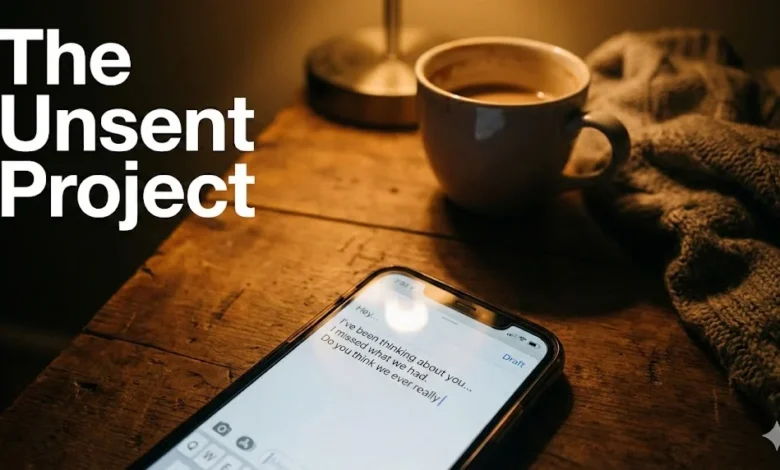
The internet doesn’t fall in love easily anymore. Trends flash, fade, and disappear in days. But every once in a while, something emotionally raw breaks through the noise and refuses to let go. Late-night scrolling turns quiet. People pause. Screenshots are saved. Messages are reread. And suddenly, one haunting question begins circulating across social media timelines in the United States: is the unsent project real?
It feels intimate. Too personal to be fake. Too widespread to be ignored. Millions have read messages that were never sent, addressed to first loves, estranged parents, and people who changed lives forever. But as the project keeps trending, curiosity has shifted into skepticism. Is it authentic storytelling, or just another internet illusion designed to go viral?

The Rise of a Viral Internet Obsession
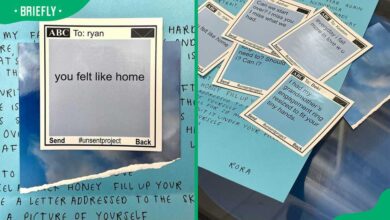
The first time many users encountered the project, it didn’t feel like content. It felt like a confession. Short, anonymous messages appeared on Instagram and TikTok, each addressed to someone the writer never got closure with. As screenshots spread, the question is the unsent project real became a frequent search query across the United States, especially among Gen Z and millennials who value emotional transparency online.
What made it explode wasn’t flashy marketing or celebrity endorsements. It was relatability. The Unsent Project tapped into a universal experience: words we rehearse in our heads but never deliver. Within weeks, engagement skyrocketed. Millions of likes, shares, and reposts turned the project into one of the most discussed viral art projects of recent years.
What Exactly Is The Unsent Project?
At its core, The Unsent Project is a digital collection of anonymous messages people never sent to someone they loved, lost, or left behind. Contributors submit their messages voluntarily, often tagging them with emotions or colors. This simplicity led many to ask again: is the unsent project real, or are these carefully crafted fictional notes designed to trigger emotion?
The project was launched by artist Rora Blue, who described it as a living archive of human connection. Unlike typical social experiments, submissions aren’t edited for drama. That authenticity is what fuels belief. Every message reads differently. Some are messy. Some are uncomfortable. Some contradict themselves. That imperfection is exactly what convinces many readers they are real.
Why People Question Its Authenticity
As the project grew, skepticism naturally followed. Viral success often invites doubt, and the emotional intensity of the messages raised eyebrows. Critics wondered whether contributors were genuine or simply performing for attention. The repeated question is the unsent project real started appearing not just in comments, but in think pieces and online forums.
Part of the doubt comes from scale. With millions of submissions, some assume there must be scripting involved. Others question moderation policies and whether certain themes are curated. However, digital culture has evolved. Anonymous confession platforms have existed for years. What makes this different is visibility, not fabrication. Volume alone doesn’t equal inauthenticity.
The Psychology Behind Unsent Messages
To understand why the project feels so real, you have to understand why unsent messages exist. Psychologists note that people often write messages they never send as a form of emotional processing. When users ask is the unsent project real, they’re really asking whether strangers would expose themselves so honestly online.
Data suggests they would. Studies show that anonymous environments increase emotional honesty by up to 60 percent. Without fear of judgment, people share truths they suppress offline. The Unsent Project thrives on this phenomenon. It doesn’t create vulnerability; it provides a container for it. That distinction matters when evaluating authenticity.
Social Media’s Role in Amplifying the Project
TikTok, Instagram, and X didn’t create The Unsent Project, but they turned it into a cultural moment. Short-form videos featuring screenshots of messages paired with soft music gained millions of views. Influencers reacted emotionally on camera, asking followers is the unsent project real, further fueling curiosity and discussion.
Algorithms reward emotional engagement, and this project delivers it effortlessly. Yet amplification doesn’t mean fabrication. Social platforms act as mirrors, reflecting what people already feel. The more users recognized themselves in the messages, the more they shared them. Virality, in this case, became evidence of resonance rather than manipulation.
Stats, Trends, and What the Numbers Reveal
Search interest for “The Unsent Project” in the United States surged dramatically over the past year, with spikes aligning with TikTok trends and Instagram repost waves. Queries including is the unsent project real increased by over 300 percent during peak viral moments, according to keyword tracking tools.
Engagement metrics also tell a story. Posts related to the project average significantly higher comment-to-like ratios than typical viral content. That suggests reflection, not passive scrolling. People aren’t just consuming; they’re responding with their own experiences. Numbers alone can’t prove authenticity, but they strongly indicate emotional investment, which is difficult to fake at scale.
What the Creator and Contributors Say
Rora Blue has consistently maintained that submissions are real and minimally edited, aside from removing harmful or identifying information. In interviews, the creator emphasized that the project’s purpose is emotional documentation, not performance. Still, skeptics continue to ask is the unsent project real, especially as its popularity grows.
Contributors, however, often confirm authenticity in comment sections and follow-up posts. Many describe submitting messages during vulnerable moments and later seeing them shared widely. That shared ownership reinforces trust. When thousands of strangers recognize their own words reflected back, the line between art and lived experience blurs.
The Bigger Cultural Impact
Beyond virality, The Unsent Project reflects a deeper cultural shift. Emotional honesty is no longer hidden. Younger audiences in the United States increasingly value openness over perfection. Asking is the unsent project real becomes less about factual verification and more about emotional permission.
The project has inspired spin-offs, classroom discussions, and even therapeutic writing exercises. It has redefined how digital art intersects with mental health, relationships, and grief. Real or not, its impact is undeniable. But the overwhelming evidence points toward a simple truth: people are finally saying what they’ve always held back.
Final Verdict and What Comes Next
So, is the unsent project real? All available evidence suggests yes. It is real in authorship, real in emotion, and real in impact. While no large-scale anonymous project can be verified message by message, the consistency, imperfection, and human complexity strongly support authenticity.
As the project continues to evolve, its future may include exhibitions, books, or academic studies. But its core will remain unchanged: unsent words finding an audience. If you’ve ever held something back, this story isn’t just trending news. It’s an invitation. Read, reflect, and maybe finally write the message you never sent.