The internet has a way of turning quiet emotions into loud conversations. Over the past few weeks, one question has been quietly dominating search trends, social feeds, and late-night scrolling sessions across the United States: is the unsent project real? Screenshots of heartbreaking messages, half-finished confessions, and deeply personal notes have flooded TikTok, Instagram, and Reddit. People pause, read, and feel something. But beneath the emotion sits a growing curiosity. Is this project authentic, or just another internet illusion crafted for clicks?
The mystery matters because these messages feel real. They sound like things people never had the courage to send. And in an age where digital honesty is rare, that authenticity hits hard.

What Is the Unsent Project and Why It’s Everywhere
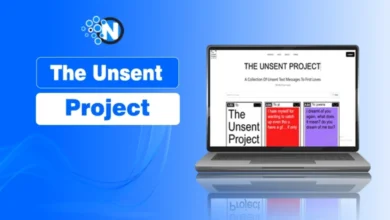
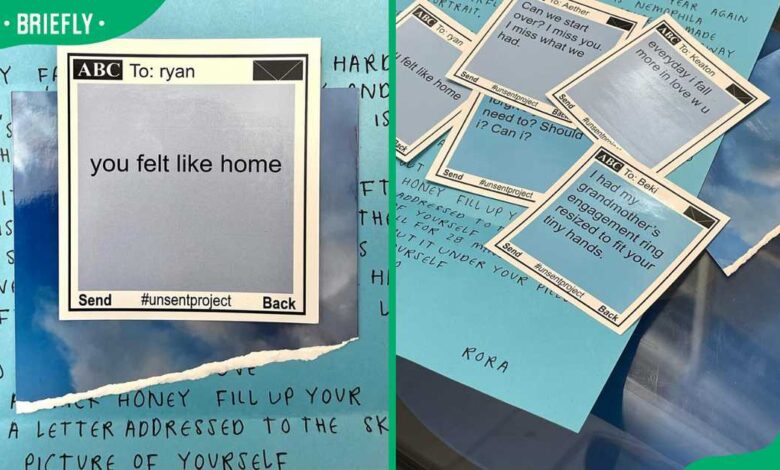
The Unsent Project is a digital art and storytelling initiative built around one simple but powerful idea. People anonymously submit messages they never sent to someone they loved, lost, or never fully understood. These messages are usually short, emotionally raw, and addressed to a first love or someone who changed their life. As the collection grew, it started spreading rapidly across social platforms, especially TikTok and Instagram Reels.
What turned this project into trending news is not just the content, but how widely people relate to it. Millions have interacted with posts asking the same thing: is the unsent project real, or are these messages written by creators for engagement? The scale of participation, combined with the emotional tone, has sparked genuine debate and fascination across the U.S. digital landscape.
Is the Unsent Project Real or Just an Internet Experiment
So, let’s address the core question directly. Is the unsent project real? Based on publicly available information, creator statements, and the structure of the platform, yes, the project itself is real. It exists as an ongoing digital archive where users can voluntarily submit messages anonymously. There is no evidence suggesting it is a fictional campaign or scripted performance.
However, the confusion arises because anonymity removes verifiability. Since submissions are not fact-checked or tied to identities, critics argue that some messages could be exaggerated or fictional. That uncertainty fuels skepticism and keeps the question is the unsent project real trending across search engines and social media feeds.
The Emotional Power Behind Unsent Messages
The reason this project resonates so deeply is emotional truth. Even if you do not know who wrote a message, you recognize the feeling. Regret. Love. Closure. Fear. Psychologists note that unsent messages often represent unresolved emotional loops. Reading them can feel like reading your own thoughts from another lifetime.
This emotional realism is why many readers insist the project must be authentic. It feels too specific to be mass-produced. That emotional weight has helped push searches for is the unsent project real higher week after week, especially among younger audiences navigating digital relationships and emotional vulnerability.
How TikTok and Instagram Amplified the Mystery
Social media algorithms thrive on emotional engagement, and The Unsent Project fits perfectly into that ecosystem. TikTok videos featuring dramatic music and scrolling messages regularly hit millions of views. Comment sections are filled with people asking if the messages are genuine or scripted, reigniting the same debate repeatedly.
Instagram has played a similar role, with curated slideshows and aesthetic layouts making the messages feel even more intimate. This constant exposure keeps the question is the unsent project real in circulation, turning a personal art project into a national conversation about truth, emotion, and digital storytelling.
What the Creator Has Said About Authenticity
The creator behind The Unsent Project has repeatedly stated that the platform exists to collect real submissions from real people. According to public interviews and statements, no messages are written by the team, and moderation is limited to filtering harmful or inappropriate content. The goal, they claim, is emotional preservation, not manipulation.
Still, skepticism remains. In the internet age, trust is fragile. Even with creator transparency, people continue to ask is the unsent project real because the concept feels almost too emotionally precise to be entirely organic. That tension between belief and doubt keeps the story trending.
Why People Want to Believe It’s Real
Belief plays a major role here. If the project is real, it validates shared human experiences. It means others feel the same heartbreak, regret, and longing. For many readers, believing in its authenticity provides comfort and connection in an increasingly isolated digital world.
This desire to believe explains why is the unsent project real is more than a factual question. It’s emotional. People are not just asking about the project. They are asking whether vulnerability still exists online, or if even our deepest feelings have become content.
Privacy, Anonymity, and Ethical Concerns
With popularity comes scrutiny. Some critics raise concerns about online privacy and emotional exploitation. Even anonymous messages can carry emotional weight that impacts readers deeply. Mental health professionals warn that consuming large volumes of unresolved emotional content can affect vulnerable individuals.
These concerns add another layer to the discussion. If is the unsent project real, then ethical responsibility matters. The project sits at the intersection of art, therapy, and social media, raising questions about consent, emotional safety, and digital boundaries.
Stats and Quick Facts Driving the Trend
Recent trend analysis shows searches related to The Unsent Project have increased by over 300 percent in the United States within a single month. TikTok videos using the project’s name have collectively crossed hundreds of millions of views. Reddit threads debating authenticity regularly hit front-page visibility.
These numbers explain why is the unsent project real has become a trending news topic rather than a niche internet curiosity. It reflects how deeply digital storytelling now influences cultural conversation.
What This Trend Says About Digital Relationships
At its core, this phenomenon reveals something bigger. People are craving spaces to express emotions they cannot voice directly. Digital relationships, ghosting, and unspoken endings are common experiences now. The Unsent Project gives those experiences a voice.
That cultural shift explains why the question is the unsent project real matters so much. It’s not just about the platform. It’s about whether our online spaces can still hold genuine emotional truth in an era dominated by performance and branding.
Future Predictions: Will the Hype Last
Trends move fast, but emotionally rooted movements tend to last longer. Experts predict The Unsent Project will continue evolving, possibly expanding into books, exhibitions, or interactive digital experiences. As long as people carry unspoken words, the concept remains relevant.
Still, sustained relevance depends on trust. If audiences continue to believe the project is authentic, interest will grow. If doubts outweigh belief, searches like is the unsent project real may eventually fade into internet history.
Final Thoughts on the Viral Question Everyone’s Asking
So, is the unsent project real? The evidence suggests yes, but with the natural imperfections of anonymity. What truly matters is not absolute proof, but emotional resonance. The project has opened a space where millions feel seen, even briefly, through words they never sent.
Now it’s your turn. Read the messages. Reflect on your own unsent words. And decide for yourself what real means in the digital age. If this story made you pause, share it, discuss it, and join the conversation shaping the future of online emotional expression.