Title: Juntos Seguros ICE Emerges as a Safety Lifeline Amid Rising Immigration Enforcement in the U.S.

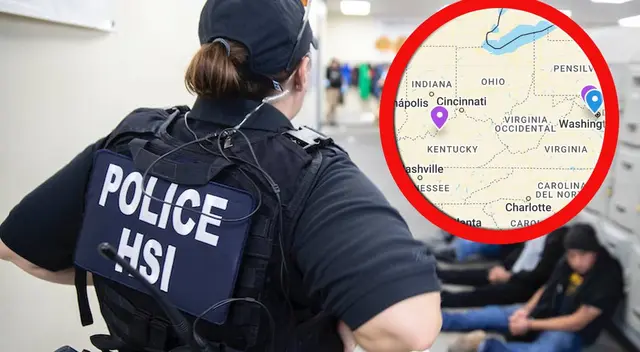
The moment you read the first reports, something about Juntos Seguros ICE feels urgent — because it is. Across the United States, immigrant communities are now facing a wave of heightened Immigration and Customs Enforcement activity that has driven fear into everyday life. From restaurant workers skipping shifts to families checking windows and doors for unfamiliar cars, real human anxiety has quickly turned into a national story. And in the eye of this storm, Juntos Seguros ICE has quietly become one of the most talked-about platforms among those seeking safety, security, and shared information.
Why? Because this isn’t just another tech tool — the platform has rapidly emerged as a grassroots resource where communities are reporting sightings, sharing alerts, and building a real-time picture of enforcement activity. That alone has ignited debates, legal concerns, social media uproar, and urgent questions about how Americans, especially undocumented residents, can stay informed and protected without spreading misinformation. Here’s what you need to know.


What Is Juntos Seguros ICE and Why It Matters Today
In recent months, Juntos Seguros ICE has become a central name in American immigration conversations as communities increasingly look for ways to stay informed about ICE operations. The platform, which translates to “Safe Together ICE,” allows users to report and monitor sightings of Immigration and Customs Enforcement in their neighborhoods. (wishtv.com)
At its heart, Juntos Seguros ICE taps into a growing need: rapid alerts when federal agents are nearby. That need stems from a national climate of fear where undocumented immigrants and their families face potential deportation or detainment at any time. Experts say community alerts like those shared on Juntos Seguros ICE are rising as traditional media struggles to keep up with fast-moving local enforcement actions. (wishtv.com)
How Real-Time Reporting Is Shaping Community Response
In places like Indiana and beyond, Juntos Seguros ICE has already seen dozens of user-generated reports of alleged ICE raids and checkpoints — and it’s igniting both hope and concern. Community members say the ability to share sightings quickly has helped people take precautions. (wishtv.com)
Yet immigration attorneys warn that not all reports are verified, and there’s a growing debate over how platforms like Juntos Seguros ICE balance community safety with the risk of rampant misinformation. Some false alarms have caused unnecessary panic, while other true reports have likely prevented dangerous encounters with law enforcement. This tension highlights how fragile the information ecosystem has become in times of crisis.
The Broader Context: Rising ICE Activity Across the Nation
The rise of Juntos Seguros ICE does not happen in isolation. National reporting shows that ICE activity and public interest in immigration enforcement have surged, with social media conversations about ICE increasing five-fold on major platforms during peak periods of enforcement activity. (The Washington Post)
In cities from New York to Los Angeles, undocumented residents have shared stories of fear, disruption, and anxiety stemming from federal immigration operations. In places like NYC restaurants, staff members have reported a pervasive sense of dread as rumors and sightings of ICE agents spread rapidly through word of mouth and digital channels. (Grub Street)
This context — rising enforcement, community fear, and rapid reporting — is exactly the environment where Juntos Seguros ICE has gained traction as both a tool for connection and a lightning rod for controversy.
Legal Experts Weigh In: Safety or Risk?
With growing use, legal experts have started sounding alarms about Juntos Seguros ICE’s approach. Lawyers point out that while community reporting can be empowering, it can also cross legal lines if it interferes with law enforcement or unintentionally spreads unverified information. (wishtv.com)
At the same time, advocates argue that any tool which helps residents avoid potentially dangerous interactions with federal agents deserves a place in community preparedness. They point to platforms like this as part of a broader shift in how citizens protect themselves — from neighborhood watch programs to digital alert networks.
How Juntos Seguros ICE Is Shaping Social Media and Public Awareness
Beyond the platform itself, Juntos Seguros ICE has influenced how people talk about immigration on social media. Communities have created maps, chat groups, and alert systems tied to the same concerns that drive the platform’s popularity. (wishtv.com)
This trend intersects with broader efforts online, where users share ICE sightings, discuss their legal rights, and seek help from advocacy networks. For many, the social media pulse around ICE remains one of the most immediate ways to stay informed — even if it sometimes spreads conflicting or unverified information.
The Human Side: Stories From the Ground
What statistics and headlines don’t capture are the personal experiences within communities using Juntos Seguros ICE. In many immigrant neighborhoods, whispers of nearby enforcement translate into real decisions: stay home, avoid public transportation, or keep loved ones close. In some households, a single alert on a phone can trigger hours of fear and uncertainty.
For immigrant families, these are not abstract debates. This is about daily life, trust in institutions, and the balance between caution and paranoia — all heightened by the very real possibility that a report on Juntos Seguros ICE could signal trouble or simply be another false alarm.
Predictions: Where Juntos Seguros ICE Might Be Headed
Looking ahead, experts suggest that platforms like Juntos Seguros ICE could evolve into more structured community safety tools — potentially with verified reporting, partnerships with legal aid groups, and integration with official alert systems. As enforcement policies and politics shift, demand for credible, real-time safety information is likely to grow even more intense.
There’s also a possibility that Juntos Seguros ICE or similar services could become part of broader national discussions on immigration policy, digital rights, and the role of real-time reporting in public safety. The challenge will be balancing empowerment with responsibility.
Quick Facts About Juntos Seguros ICE and ICE Enforcement Trends
• Community reporting platforms linked to ICE sightings are now being used in multiple U.S. states. (wishtv.com)
• Social media mentions of ICE activities spiked dramatically during peak enforcement periods. (The Washington Post)
• Legal experts caution about misinformation risks in unverified reporting. (wishtv.com)
• Many undocumented families report changes in daily behavior due to fear of raids. (Grub Street)
Conclusion: A Tool in a Turbulent Moment
Juntos Seguros ICE has quickly become more than just a platform — it’s a symbol of how communities adapt in times of uncertainty. As ICE enforcement evolves and public debate intensifies, tools that provide real-time information will remain deeply relevant. Whether Juntos Seguros ICE becomes a model for verified alert systems or sparks new legal and social discussions, one thing is clear: people are seeking connection, safety, and control in an unpredictable environment.
If you care about immigrant rights, community safety, or the future of digital reporting tools, now is the time to stay informed, learn the facts, and join conversations that shape how platforms like Juntos Seguros ICE evolve. Share this article, explore reliable community resources, and help build a safer, more connected future for everyone.