
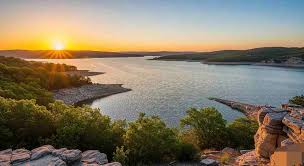
When people write about places, especially famous lakes, a common question pops up: lake texoma should be capitalized or not? This topic may sound small, but it’s actually very important in correct English writing. From school essays to travel blogs, from news articles to social media posts, knowing when and why lake texoma should be capitalized helps your writing look professional, clear, and trustworthy.
In this detailed guide, we’ll explore everything you need to know about capitalization rules, why proper nouns matter, and exactly why lake texoma should be capitalized. Don’t worry—we’ll keep the language simple, friendly, and easy to understand, just like Grade 7 English, while still being accurate and expert-level.
Understanding Capitalization in English Writing
Capitalization is one of the basic rules of English grammar. It tells readers that a word is special or important in some way. Capital letters help us recognize:
- Names of people
- Names of places
- Titles of books and movies
- Specific events and organizations
Without capitalization, sentences can become confusing or even misleading. That’s why writers, teachers, and editors pay close attention to it.
When we ask whether lake texoma should be capitalized, we’re really asking if it is a proper noun. And yes—this matters more than you might think.
What Is Lake Texoma?
Lake Texoma is a large, well-known lake located on the border between Texas and Oklahoma in the United States. It is one of the biggest reservoirs in the country and a popular destination for:
- Fishing
- Boating
- Camping
- Family vacations
Because Lake Texoma is a specific place with an official name, it falls under a clear grammar rule. That’s one major reason lake texoma should be capitalized whenever it is written as a name.
Why Lake Texoma Is a Proper Noun
A proper noun is the name of a particular person, place, or thing. Proper nouns always start with capital letters.
Examples of proper nouns include:
- Sarah
- Pakistan
- Mount Everest
- Lake Texoma
So, when we talk about capitalization, the rule is simple: lake texoma should be capitalized because it is the official name of a real, specific location.
If we were talking about lakes in general, like “a lake near my house,” then we wouldn’t capitalize the word “lake.” But when we name the lake, the rule changes.
Lake Texoma Should Be Capitalized in Formal Writing
In formal writing—such as school assignments, articles, reports, or books—capitalization rules are taken very seriously. Writing “lake texoma” in lowercase can make your work look careless or incorrect.
Here’s why lake texoma should be capitalized in formal writing:
- It follows standard grammar rules
- It shows respect for the place
- It improves readability
- It builds trust with the reader
Teachers, editors, and professionals expect proper nouns to be capitalized. So, if you want your writing to shine, this rule is a must.
Lake Texoma Should Be Capitalized in Informal Writing Too
Now, you might be thinking, “What about texting or social media?” Good question! Even in informal writing, using correct capitalization is a smart habit.
While some people ignore grammar online, clear writing still matters. When you write Lake Texoma correctly:
- Your message looks polished
- Readers understand you instantly
- You appear more knowledgeable
So yes, even in casual posts, lake texoma should be capitalized if you want your writing to stand out.
Common Mistakes People Make with Lake Texoma
Many writers accidentally write “lake texoma” in lowercase. This usually happens because:
- They type quickly
- They aren’t sure about the rule
- They assume only the second word needs capitalization
Let’s clear up the confusion once and for all. Both words—Lake and Texoma—are part of the official name. That’s why lake texoma should be capitalized every time it’s used as a proper noun.
Examples Showing Why Lake Texoma Should Be Capitalized
Seeing examples can make things crystal clear. Let’s look at correct and incorrect usage.
Incorrect examples:
- We went fishing at lake texoma last summer.
- lake texoma is a popular tourist spot.
Correct examples:
- We went fishing at Lake Texoma last summer.
- Lake Texoma is a popular tourist spot.
Notice how much cleaner and more professional the correct examples look? That’s the power of capitalization at work.
Lake Texoma Should Be Capitalized in Titles and Headings
Titles and headings are meant to grab attention. They also follow special capitalization rules. When a place name appears in a title, it must be capitalized.
For example:
- “A Family Trip to Lake Texoma”
- “Fishing Adventures at Lake Texoma”
Using lowercase in a title would look odd and incorrect. That’s another strong reason lake texoma should be capitalized every single time.
Grammar Rules That Support Capitalizing Lake Texoma
Let’s connect this topic to general grammar rules you may already know.
According to standard English rules:
- Names of specific lakes are capitalized
- Geographic locations with official names are capitalized
- Proper nouns never appear in lowercase
Lake Texoma checks all these boxes. So, from a grammar point of view, there’s no debate—lake texoma should be capitalized.
Comparison Table: Correct vs Incorrect Usage
Below is a simple table to help you remember the rule:
| Usage Type | Example | Correct or Incorrect |
| Proper noun | Lake Texoma | Correct |
| Lowercase name | lake texoma | Incorrect |
| General reference | a lake in Texas | Correct |
| Title usage | Visiting Lake Texoma | Correct |
This table clearly shows why lake texoma should be capitalized when used as a name.
Why Capitalization Builds Trust and Authority
Good writing isn’t just about words—it’s about trust. Readers are more likely to believe and respect content that follows grammar rules.
When you write Lake Texoma correctly:
- Your writing feels reliable
- You sound informed and confident
- Readers take you seriously
That’s especially important for articles, blogs, and educational content. Proper capitalization quietly shows expertise without saying a word.
Lake Texoma Should Be Capitalized in Academic Work
Students often lose marks for small grammar mistakes. Capitalization errors can hurt your grades, even if your ideas are strong.
In essays, reports, and homework:
- Always write Lake Texoma
- Never write “lake texoma” unless it’s a typing mistake
Teachers notice these details. So remember, in academic writing, lake texoma should be capitalized without exception.
Cultural and Geographic Respect Through Capitalization
Capitalizing place names is also about respect. Lake Texoma is not just any lake—it has history, culture, and importance to the region.
Using the correct capitalization:
- Honors the place
- Shows cultural awareness
- Reflects careful writing
In this way, lake texoma should be capitalized not only for grammar, but also for courtesy.
Simple Tips to Always Capitalize Lake Texoma Correctly
Here are some easy tips to help you remember:
- Treat Lake Texoma like a person’s name
- Capitalize both words every time
- Double-check before publishing or submitting work
- Practice writing it correctly
With these habits, you’ll never forget that lake texoma should be capitalized.
Frequently Asked Questions About Lake Texoma Capitalization
Is “lake” ever lowercase?
Yes, when it’s used generally, like “a lake near my house.”
Is “Texoma” always capitalized?
Yes, because it’s a unique name.
Do I capitalize it in the middle of a sentence?
Absolutely. Position doesn’t matter—lake texoma should be capitalized anywhere in a sentence.
Final Thoughts on Why Lake Texoma Should Be Capitalized
To wrap things up, let’s be clear and confident: lake texoma should be capitalized. It is a proper noun, an official place name, and a well-known geographic location. Whether you’re writing a school essay, a travel blog, or a simple sentence, using the correct capitalization shows care, knowledge, and professionalism.
