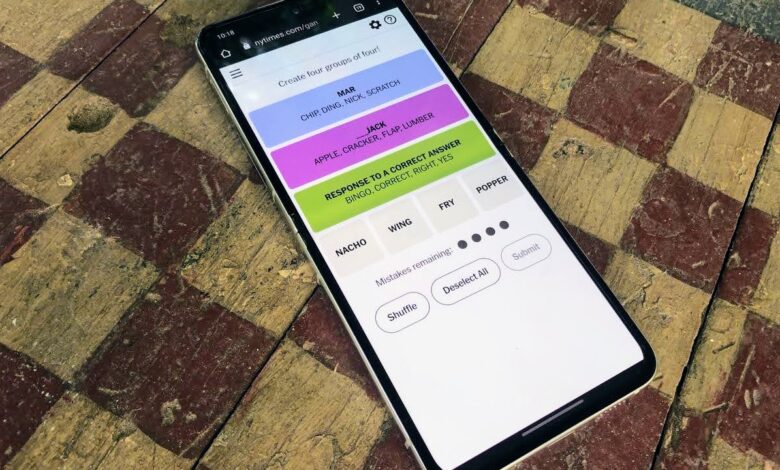
The quiet ritual of the morning news has changed. Coffee is still brewing, phones are still scrolling, but something new is pulling Americans in before headlines or stock updates. A colorful grid. Four chances. One mistake away from frustration. NYT Connections is no longer just a game—it is a shared daily experience that sparks curiosity, pride, and, sometimes, mild panic. Social feeds fill up early, group chats light up, and by noon, millions are comparing wins, losses, and near-misses in a puzzle that feels deceptively simple.
What makes this moment different is the speed. NYT Connections has moved from a side feature to a cultural habit almost overnight. In a country craving quick challenges and communal moments, the puzzle has found perfect timing, and its rise says a lot about how Americans now consume news, games, and digital connection.


The Sudden Rise of NYT Connections in Daily Digital Habits
NYT Connections did not arrive with fireworks. It quietly appeared alongside other New York Times puzzles, then spread through word of mouth. Within months, it became a daily stop for millions of readers in the United States. According to digital engagement data from late 2025, puzzle interactions on NYT platforms jumped significantly, with Connections emerging as one of the fastest-growing features. Players were not just clicking once; they were returning daily, often at the same time each morning.
The appeal lies in its balance. NYT Connections is quick enough to play on a commute, yet challenging enough to feel rewarding. Unlike longer word games, it fits modern attention spans without feeling shallow. That balance has turned it into a habit, similar to checking the weather or scanning breaking news. For many, it is now part of how the day officially begins.
Why NYT Connections Feels Different From Other Word Games
At first glance, NYT Connections looks simple. Sixteen words. Four groups. But the emotional pull is intense. Players describe the game as “humbling” and “sneaky,” because it rewards lateral thinking rather than vocabulary alone. One wrong assumption can collapse an otherwise perfect round. That tension is a big reason NYT Connections feels fresh in a crowded puzzle space.
Another factor is accessibility. You do not need deep language expertise to play. Instead, you need pattern recognition, cultural awareness, and patience. That makes NYT Connections appealing across age groups. College students, office workers, and retirees all report playing daily. In a fragmented digital landscape, that kind of broad appeal is rare, and it explains why the game spreads so easily across social platforms.
Social Media Turns NYT Connections Into a Shared Event
One reason NYT Connections exploded is its social afterlife. Screenshots of results flood X, Facebook, and Reddit every morning. Without spoilers, players still communicate success or struggle through colored grids and subtle captions. This has turned a solo puzzle into a collective experience, especially in the United States where online sharing drives trends fast.
The design encourages this behavior. You can finish NYT Connections in minutes, then instantly compare outcomes with friends or coworkers. That loop—play, share, discuss—keeps the game visible all day. Digital culture experts note that this kind of low-friction sharing is key to virality. It allows people to participate in a trend without heavy commitment, which is exactly what modern audiences prefer.
Data, Engagement, and the Business Impact Behind the Puzzle
From a business perspective, NYT Connections is a quiet success story. While the New York Times does not release daily player numbers, analysts estimate that puzzle engagement has boosted subscription retention, especially among younger readers. Games like Connections often act as a gateway, pulling users into the broader NYT ecosystem of news, audio, and features.
The timing also matters. In an era of news fatigue, light interactive content offers relief. NYT Connections gives users a sense of control and accomplishment before they face heavier headlines. That emotional benefit is valuable. Media strategists increasingly see puzzles as not just entertainment, but as tools for building long-term loyalty in a competitive digital market.
How NYT Connections Reflects a Shift in American Media Consumption
The popularity of NYT Connections signals a deeper change. Americans are no longer separating news from play. They want experiences that inform, challenge, and entertain in short bursts. This hybrid model fits perfectly into mobile-first lifestyles, where attention is fragmented but routines still matter.
Connections also reflects a craving for shared cultural moments. Unlike endless scrolling, the puzzle has a clear start and end. Everyone plays the same grid on the same day. That synchronicity creates conversation. In a polarized media environment, even a small shared activity can feel meaningful. NYT Connections offers that without politics, outrage, or pressure.
What the Future Looks Like for NYT Connections and Daily Puzzles
Looking ahead, experts predict that NYT Connections will continue to evolve. Variations, themed editions, or competitive elements could be introduced to keep long-term players engaged. There is also speculation about deeper integration with other NYT games, creating a more unified daily puzzle journey.
The broader trend is clear. Interactive, low-stress content is becoming essential for digital publishers. If current growth continues, NYT Connections could influence how other media outlets design engagement tools. For now, its success shows that even in a fast, noisy digital world, a simple grid of words can still capture national attention.
NYT Connections is more than a passing trend. It is a reflection of how Americans want to start their day—curious, challenged, and connected. If you have not joined the daily ritual yet, now is the time. Open the grid, test your instincts, and see why millions are making NYT Connections their first click every morning.