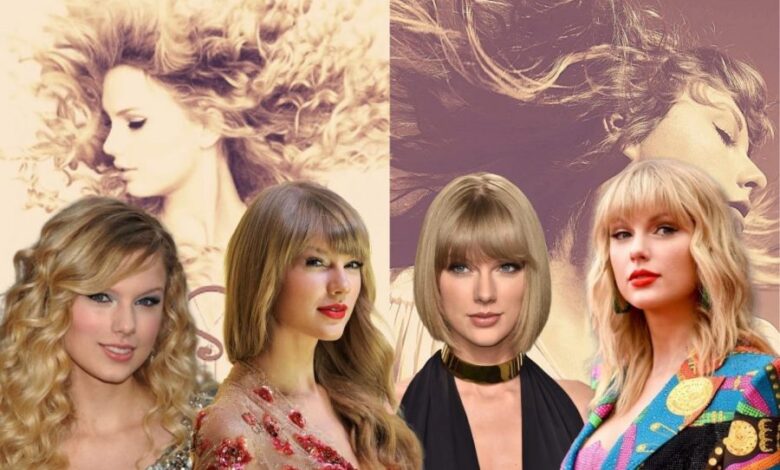
The conversation around music in America feels different right now, and much of that shift circles back to one name. From streaming charts to cultural debates, taylor swift albums are no longer just releases—they are events that dominate timelines, dinner-table conversations, and industry forecasts. Fans aren’t simply listening; they’re revisiting eras, decoding lyrics, and tracking records in real time. This emotional connection is why every new project feels personal, almost communal, across generations.
What makes this moment especially powerful is timing. As physical sales rebound and vinyl breaks records, taylor swift albums sit at the intersection of nostalgia and innovation. Her catalog is being rediscovered by younger listeners while longtime fans see familiar stories through a modern lens. That blend of memory, momentum, and reinvention is exactly what keeps her music glued to Google Discover feeds across the United States.


The Evolution Story Behind Taylor Swift Albums
From the beginning, taylor swift albums have told a clear story of growth. Each release marks a chapter, not just in her career, but in the broader pop landscape. Early projects leaned into diaristic songwriting, while later records explored genre-blending and conceptual ambition. That consistency in storytelling is what keeps listeners invested beyond singles or radio hits.
What’s remarkable is how seamlessly these transitions occurred. Rather than abandoning past fans, taylor swift albums invite them forward. The evolution feels earned, almost cinematic. Industry analysts often point to her ability to adapt without losing authenticity as a key reason her catalog continues to outperform peers, even as listening habits rapidly change.
From Country Roots to Global Pop Dominance
The journey began with heartfelt storytelling and acoustic simplicity. Albums like Fearless introduced a voice that felt intimate and relatable. As her audience grew, so did her sound. Red bridged genres, signaling that experimentation would define her future rather than limit it.
That leap fully materialized with 1989, a project that redefined mainstream pop success in America. For many critics, this era cemented why taylor swift albums consistently feel ahead of the curve. They don’t chase trends; they often set them, reshaping radio formats and influencing emerging artists nationwide.
Reinvention as a Strategy, Not a Risk
Few artists survive reinvention; fewer master it. With Reputation, taylor swift albums took a darker, more confrontational tone that surprised casual listeners. Instead of alienating fans, it expanded her reach, proving adaptability could be a strength rather than a gamble.
That confidence carried into Lover, where warmth and vulnerability returned with a modern polish. The constant reinvention isn’t random. Music executives often note that taylor swift albums succeed because change is intentional, anchored by songwriting that remains unmistakably hers regardless of sound or style.
The Indie Turn That Reshaped Expectations
The release of Folklore marked a cultural reset. Stripped-back production and narrative songwriting felt almost radical during a digital-first era. For many American listeners, it reframed what pop credibility could look like, especially when authenticity replaced spectacle.
Its sister project, Evermore, reinforced that this wasn’t a one-off experiment. Together, these records proved taylor swift albums could thrive without traditional promotion. Streaming data later showed sustained engagement, highlighting how emotional storytelling can outperform even the loudest marketing campaigns.
Chart Power, Streaming Stats, and Cultural Impact
Numbers only tell part of the story, but they’re impossible to ignore. Recent data shows taylor swift albums consistently debut with record-breaking streams, often occupying multiple Top 10 slots simultaneously. Vinyl sales, once considered niche, now spike with each release, reflecting renewed interest in physical formats among younger buyers.
Beyond charts, the cultural impact is measurable. University courses analyze her lyrics, while economists track the “Swift effect” on local economies during tours. Albums like Midnights reflect how her work resonates emotionally while dominating commercially, a rare balance in today’s fragmented music market.
The Latest Chapter and What Comes Next
With The Tortured Poets Department, speculation around future directions intensified. Early reception suggests a return to introspection paired with refined production. Industry watchers believe this signals another pivot, reinforcing why taylor swift albums remain unpredictable yet dependable in quality.
Looking ahead, predictions point toward continued experimentation—possibly deeper collaborations or genre fusions. As streaming algorithms evolve, artists with strong catalogs gain advantage, and taylor swift albums offer precisely that depth. Her ability to control her narrative ensures that each future release will arrive not just as music, but as a cultural moment.
Why Taylor Swift Albums Still Matter in America
In an era of short attention spans, longevity is rare. Yet taylor swift albums maintain relevance because they mirror personal growth many listeners experience themselves. From adolescence to adulthood, fans see their own stories reflected back through evolving themes and sounds.
This connection explains why her catalog continues to dominate Discover feeds and social conversations. taylor swift albums are more than entertainment; they’re shared experiences that evolve with time. If you want to understand where American pop culture is headed next, start by revisiting her discography—and stay tuned, because the next chapter is already being written.