The sudden rise of “DW” across texts and social media
If you have scrolled through text messages, TikTok comments, or Instagram DMs lately, chances are you have seen the phrase “DW” pop up everywhere. At first glance, it feels confusing, even dismissive. Yet its explosive growth is no accident. Language online moves fast, and short-form slang thrives in a world of quick replies and shrinking attention spans. That curiosity-driven moment of “wait, what does that mean?” is exactly why this term is trending right now.
So, what does DW mean in text, and why are so many Americans suddenly using it? From teens to professionals, the phrase has quietly crossed platforms and age groups. Understanding it is not just about slang. It is about decoding modern digital tone, emotion, and intent in an era where two letters can change the entire meaning of a conversation.


What does DW mean in text and why context matters
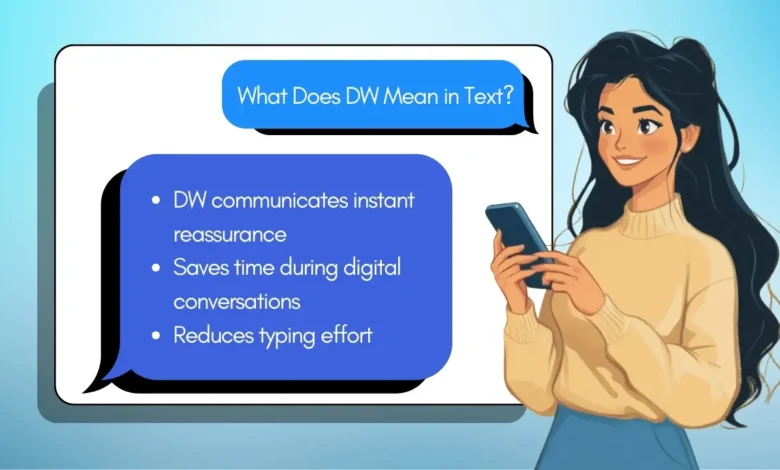
At its core, what does DW mean in text usually comes down to one simple phrase: “don’t worry.” It is a reassurance packed into two letters. When someone types “DW,” they are often signaling comfort, calm, or reassurance in a fast, informal way. In a culture that values speed, this shorthand feels natural and emotionally efficient.
However, context changes everything. In one conversation, “DW” can feel warm and caring. In another, it might sound distant or rushed. That is why understanding what does DW mean in text requires more than a dictionary definition. It demands attention to who is speaking, the situation, and the emotional tone of the exchange. Without context, the meaning can feel flat or even misunderstood.
How Gen Z turned “DW” into a viral texting habit
Gen Z has played a major role in pushing “DW” into mainstream digital language. Raised on instant messaging, this generation favors brevity without losing emotional clarity. “DW” fits perfectly into that habit. It reassures without overexplaining and keeps conversations moving. On platforms like Snapchat and TikTok, where speed matters, the phrase feels natural and effortless.
What makes this trend notable is how quickly it spread beyond younger users. Millennials and even older professionals now use “DW” in casual work chats and group texts. That crossover is rare for slang. When asking what does DW mean in text, the answer reflects a larger shift in how Americans communicate. Emotional reassurance is becoming shorter, faster, and more casual, even in semi-formal spaces.
Common situations where “DW” is used in daily texting
Understanding what does DW mean in text becomes easier when you see it in action. One of the most common uses appears during apologies. If someone says, “Sorry I’m late,” a quick “DW” signals forgiveness without dragging the conversation on. It closes the loop politely and efficiently.
Another frequent scenario involves stress or mistakes. When someone admits they forgot something or messed up, “DW” reassures them that it is not a big deal. In these moments, the phrase acts as emotional shorthand. It reduces tension and keeps conversations light. This everyday usage explains why the phrase has become such a staple in modern American texting culture.
When “DW” can feel cold or misunderstood
While the meaning seems harmless, what does DW mean in text can sometimes carry unintended emotional weight. In serious or emotional conversations, replying with just “DW” may feel dismissive. Someone opening up about a problem might expect empathy, not brevity. In those cases, the shorthand can sound like you are brushing off their concerns.
This is where digital communication gets tricky. Tone is harder to read through text, and short replies can feel impersonal. That is why many communication experts suggest pairing “DW” with a follow-up sentence in sensitive situations. Understanding when not to use it is just as important as knowing what does DW mean in text.
The difference between “DW” and similar texting slang
To fully grasp what does DW mean in text, it helps to compare it with similar slang. Phrases like “np” for “no problem” or “all good” carry a similar reassurance. However, “DW” feels slightly more emotional. It implies concern for the other person’s feelings, not just the situation.
Unlike longer phrases, “DW” also feels more casual and immediate. It is often used in real-time chats rather than delayed responses. This subtle difference explains why it has gained traction over other reassurance slang. In fast-moving digital conversations, two letters can say more than a full sentence.
Why Americans are searching “what does DW mean in text” right now
Search trends show a noticeable spike in Americans typing what does DW mean in text into search engines. The reason is simple. Slang now spreads faster than ever, often without explanation. A phrase can go viral overnight, leaving many users confused and curious the next morning.
Another factor is cross-platform exposure. Someone might first see “DW” in a TikTok comment, then receive it in a work chat, and finally spot it in a dating app message. That repetition sparks curiosity. People want to make sure they understand the tone correctly. In a digital culture where miscommunication can damage relationships, clarity matters more than ever.
How “DW” fits into modern digital etiquette
Digital etiquette in the United States has evolved rapidly. Short replies are no longer seen as rude by default. In fact, they are often expected. Understanding what does DW mean in text helps people navigate this new etiquette with confidence. It signals that not every message requires a long explanation or emotional labor.
However, etiquette still depends on relationships. With close friends, “DW” feels natural and warm. In professional settings, it may come across as too casual unless the culture supports it. This balance reflects a broader trend in American communication. Informality is rising, but awareness of context remains essential.
Stats and trends behind short-form texting language
Recent communication studies show that over 70 percent of Americans prefer shorter text replies over long messages. This preference explains the rise of abbreviations like “DW.” As attention spans shrink and mobile usage grows, efficiency becomes key. Two-letter phrases save time and reduce cognitive load.
Another trend driving this shift is the dominance of mobile-first platforms. Most texts are read on small screens, often on the go. In that environment, concise reassurance feels more effective. When people ask what does DW mean in text, they are really asking how language is adapting to modern lifestyles.
Will “DW” still matter in future digital conversations?
Slang evolves quickly, and not every term survives. Yet “DW” shows signs of longevity. Its meaning is universal, its tone flexible, and its length ideal for mobile communication. These factors suggest it will remain relevant, even as new slang emerges.
Future predictions point toward even shorter emotional cues, possibly combined with voice notes or AI-assisted replies. Still, the core idea behind “DW” will persist. People will always need quick ways to reassure each other. Knowing what does DW mean in text today prepares users for how language will continue to evolve tomorrow.
Why understanding texting slang matters more than ever
In a world dominated by digital interaction, small misunderstandings can have big consequences. Misreading tone can affect friendships, work relationships, and even mental health. That is why understanding what does DW mean in text goes beyond curiosity. It is about emotional intelligence in the digital age.
As language continues to compress, meaning becomes more dependent on awareness. Staying informed about trending slang helps Americans communicate with clarity and confidence. It reduces friction and builds stronger connections, even in short exchanges.
Final thoughts on the meaning and impact of “DW”
So, what does DW mean in text? It means reassurance, comfort, and a signal that everything is okay. Yet its true power lies in how and when it is used. This tiny phrase reflects massive shifts in how Americans express emotion online. Shorter does not mean colder. Often, it means faster and more natural.
If you want to stay fluent in modern digital language, pay attention to these small cues. Share this article with friends who keep asking about new slang, and stay connected as language continues to evolve. Understanding today’s trends is the key to communicating better tomorrow.