There is a quiet kind of heartbreak spreading across the internet, and it does not shout for attention. It whispers. Late at night, millions of Americans are pausing mid-scroll, reading messages that were never meant to be seen, yet somehow feel painfully familiar. Search trends are exploding with one question: what is the unsent project? The curiosity is not casual. It is emotional. People are not just clicking; they are feeling. In a digital world full of noise, this project has become a rare moment of silence that pulls you in and refuses to let go.
What started as a small creative idea has now turned into a nationwide conversation about love, regret, and the words we never send.

What Is the Unsent Project and Why It’s Trending Now
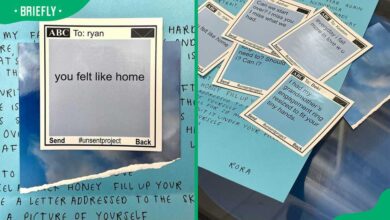
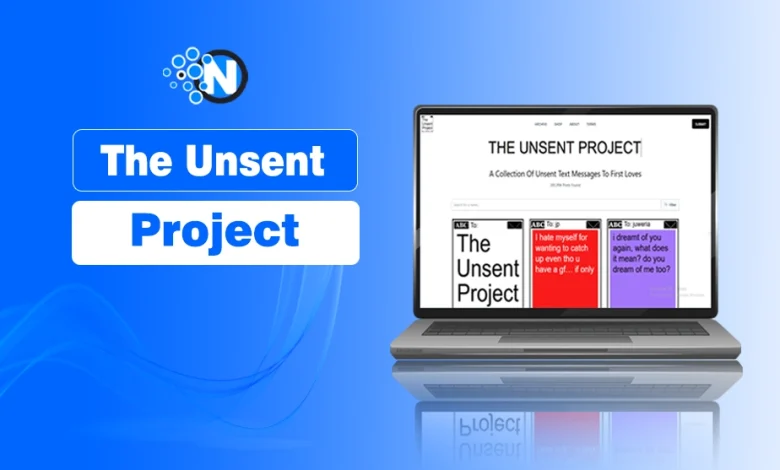
To understand why this topic dominates Google Discover feeds, we need to start with the basics. What is the Unsent Project at its core? It is an ongoing digital art initiative where people anonymously submit messages they never sent to someone important in their life. Most messages are addressed to a first love, but many touch on loss, betrayal, healing, or unfinished emotional chapters.
The project has surged in popularity thanks to TikTok, Instagram, and viral screenshots shared across platforms. As Americans increasingly search for emotional authenticity online, the raw honesty of these messages stands out. That is why what is the unsent project has become one of the most searched emotional culture queries in the United States this year.
The Emotional Concept Behind Unsent Messages
The power of this trend lies in its simplicity. Everyone has words they never sent. A goodbye that came too late. An apology swallowed by pride. A confession lost to fear. The Unsent Project captures those moments and preserves them without judgment or explanation.
When people ask what is the unsent project, they are often reacting to how deeply personal the messages feel. Psychologists suggest that unsent messages act as emotional mirrors. Even if the story is not yours, the feeling is. This shared emotional language is what makes the project resonate across age groups, especially among Gen Z and millennials navigating modern relationships.
How Social Media Turned It Into a Viral Phenomenon
Social platforms did not just share The Unsent Project; they amplified it. TikTok videos scrolling through submissions often rack up millions of views in hours. Instagram posts present messages in minimalist formats that encourage slow reading. Comment sections quickly fill with people asking, again and again, what is the unsent project, and whether these stories are real.
Algorithms favor content that sparks emotional engagement, and this project delivers exactly that. The more people interact, the more it spreads. In the U.S., trending audio clips paired with unsent messages have helped push the project into mainstream digital culture, far beyond its original niche.
Who Created the Unsent Project and Why
The Unsent Project was created by artist Rora Blue as a way to explore emotional color theory and human connection. The idea was not designed as a viral marketing campaign. It was meant to be an evolving emotional archive. Over time, public participation transformed it into something much larger.
Understanding the creator’s intent helps clarify what is the unsent project beyond surface-level virality. It is not about fame or shock value. It is about documenting emotional truth, even when that truth is uncomfortable or unresolved. That artistic purpose continues to guide how the project is curated today.
Are the Messages Real or Curated
One of the biggest debates surrounding this trend centers on authenticity. People naturally wonder if the messages are genuine or written for effect. The platform states that all submissions come from real people and are shared anonymously, with moderation focused on safety rather than storytelling.
Still, skepticism persists. That doubt fuels ongoing interest and keeps what is the unsent project trending in search results. Whether every message reflects a real-life situation matters less to many readers than how real the emotion feels. In the digital age, emotional authenticity often outweighs factual verification.
Why Americans Are Deeply Connecting With It
In the United States, digital relationships have reshaped how people communicate. Ghosting, unsent texts, and unresolved endings are now common experiences. The Unsent Project gives shape to those shared frustrations and heartbreaks.
This cultural context explains why what is the unsent project is not just a curiosity-driven search. It reflects a collective emotional experience. People see themselves in these messages. They feel less alone. That emotional validation is powerful, especially in a time when loneliness statistics are rising nationwide.
Mental Health Conversations Around the Trend
Mental health experts have taken notice of the project’s popularity. On one hand, reading unsent messages can be cathartic. It helps people acknowledge emotions they have avoided. On the other hand, constant exposure to unresolved pain can be emotionally heavy.
This dual impact adds depth to discussions about what is the unsent project. It is not just art or entertainment. It sits at the intersection of expression and emotional wellness. Experts recommend engaging mindfully, especially for readers who may be processing their own unresolved grief or trauma.
Quick Facts and Stats Fueling the Buzz
Recent data shows searches related to The Unsent Project have increased by more than 250 percent in the U.S. over the past two months. TikTok hashtags tied to the project have surpassed hundreds of millions of views. Instagram engagement rates remain unusually high, signaling deep audience interest rather than passive scrolling.
These numbers explain why media outlets now treat what is the unsent project as trending news, not just an internet curiosity. It reflects a broader shift toward emotional storytelling as a dominant digital trend.
How the Project Reflects Modern Love and Loss
Modern relationships move fast. Messages are typed, deleted, rewritten, and never sent. The Unsent Project captures this new emotional rhythm. It documents love that existed mostly in drafts and feelings that never reached the screen.
When people ask what is the unsent project, they are often confronting how much emotional weight exists in what remains unsaid. The project has become a time capsule of modern love, showing how technology has changed not just how we communicate, but how we hold onto emotion.
Future Predictions: Where the Unsent Project Is Headed
Experts predict the project will continue evolving. There is growing speculation about physical exhibitions, published collections, and expanded digital experiences. As long as people carry unspoken words, the concept remains relevant.
The future of what is the unsent project depends on trust and emotional connection. If audiences continue to see it as a genuine space for expression, its influence will likely expand beyond social media into broader cultural conversations about vulnerability and honesty.
Why This Trend Is Bigger Than Social Media
At its heart, The Unsent Project is not about posts or platforms. It is about human connection. It reminds people that behind every screen is a person carrying words they never sent. That reminder feels rare and valuable in today’s digital environment.
That is why what is the unsent project continues to trend. It taps into something timeless: the need to be understood, even anonymously.
Final Thoughts and Call to Action
Now that you understand what is the unsent project, the real question becomes personal. What words are you still holding back? What message lives in your drafts but never reached its destination?
Read the stories. Reflect on your own. And if this article made you pause, share it with someone who might need that reminder. Join the conversation, because sometimes the words we never send are the ones that connect us the most.